The following are the main steps and precautions for geomembrane construction:
Ensure the quality of geomembrane, connectors, supports, and other materials meets requirements, and check that their quantity and specifications match the design.
Clean the construction site, ensuring it is flat, firm, and free of debris. Implement drainage measures to prevent water accumulation during construction and its impact on quality.
Measure and mark the construction area according to design requirements, ensuring accurate positioning.
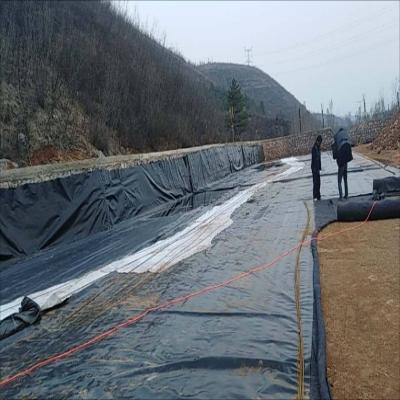
Lay the geomembrane from upstream to downstream to ensure proper water penetration and maintain the geomembrane’s tensile strength.
Use connectors to connect the geomembrane into a complete waterproof layer. Ensure tight joints to prevent leakage.
Use supports to fix the geomembrane in the soil to prevent displacement or wrinkling during construction.
Geomembrane overlaps should strictly adhere to specifications, ensuring no wrinkles, cracks, or leaks at the overlaps.
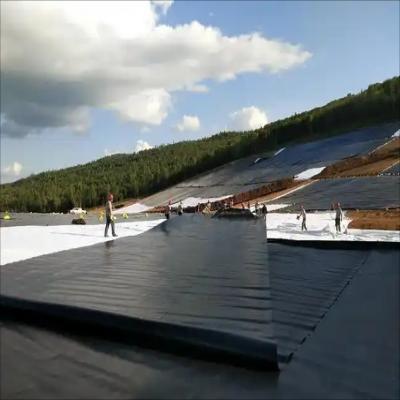
Avoid damaging the geomembrane during construction, especially at overlaps.
Conduct quality inspections after construction to ensure the geomembrane installation meets requirements. Repair any leaks promptly.
Clean up the site promptly after construction to maintain cleanliness.
Comply with site safety regulations, wear appropriate safety equipment, and ensure the safety of construction personnel.
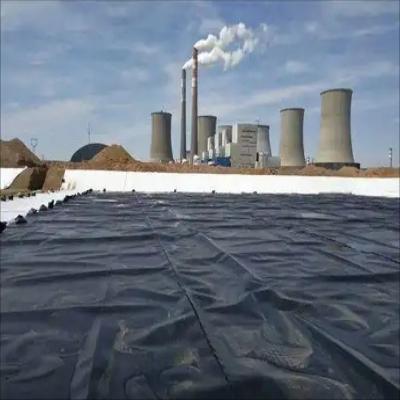
In summary, geomembrane construction requires careful consideration of site conditions, material quality, construction sequence, and fixing methods to ensure the construction quality meets design requirements. Simultaneously, it is crucial to protect the geomembrane, conduct thorough quality inspections, maintain a clean construction site, and ensure safety throughout the construction process.
Post time: Feb-06-2026


