Geomembranes are made from polyethylene, a type of plastic product, and therefore possess the characteristics of plastics. High temperatures and ultraviolet (UV) radiation can reduce the performance of plastics, so the main factors affecting the lifespan of geomembranes are UV radiation and high temperatures.
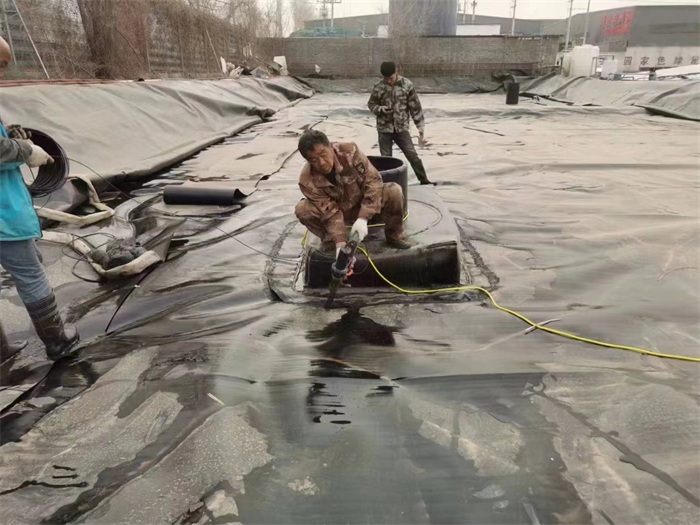
Summer is the period with the strongest UV radiation and the highest temperatures of the year. Are there ways to extend the lifespan of geomembranes? The answer is yes. To extend the lifespan of geomembranes, it’s essential to minimize the impact of high temperatures and UV radiation. Specific methods include:
1. When the geomembrane has been laid and is used outdoors, such as in aquaculture ponds, cover the exposed areas with straw mats or geotextile fabric to avoid direct sunlight. This effectively reduces the impact of UV radiation on the geomembrane.
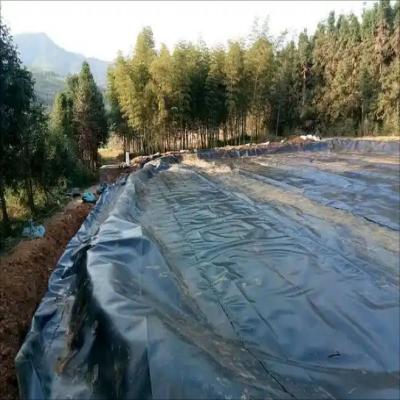
2. During project construction, use backfilling and geotextile covering methods to extend the lifespan of the geomembrane. In many projects, such as reservoirs, aquaculture ponds, and hazardous waste landfills, soil can be backfilled after the geomembrane is laid, or another layer of geotextile can be laid. This can prevent the geomembrane from being exposed to direct sunlight and also add a protective layer to prevent damage from external forces, effectively improving the service life of the geomembrane.
Post time: Mar-09-2026


