July 29, 2026 — The global aquaculture industry is fueling an unprecedented surge in HDPE geomembrane demand, with specialized pond liners emerging as one of the fastest-growing segments in the geosynthetics market. According to Alibaba.com’s latest trade data, aquaculture pond liners now show “exceptional growth” in both buyer demand and conversion rates, outpacing traditional landfill and water management applications.
The trend is particularly pronounced in Southeast Asia, where suppliers are capitalizing on what industry analysts call an “aquaculture gold rush.” The United States leads global buyer demand for geomembranes on Alibaba.com, followed by China, India, and Brazil — all markets experiencing rapid expansion in fish, shrimp, and prawn farming operations.
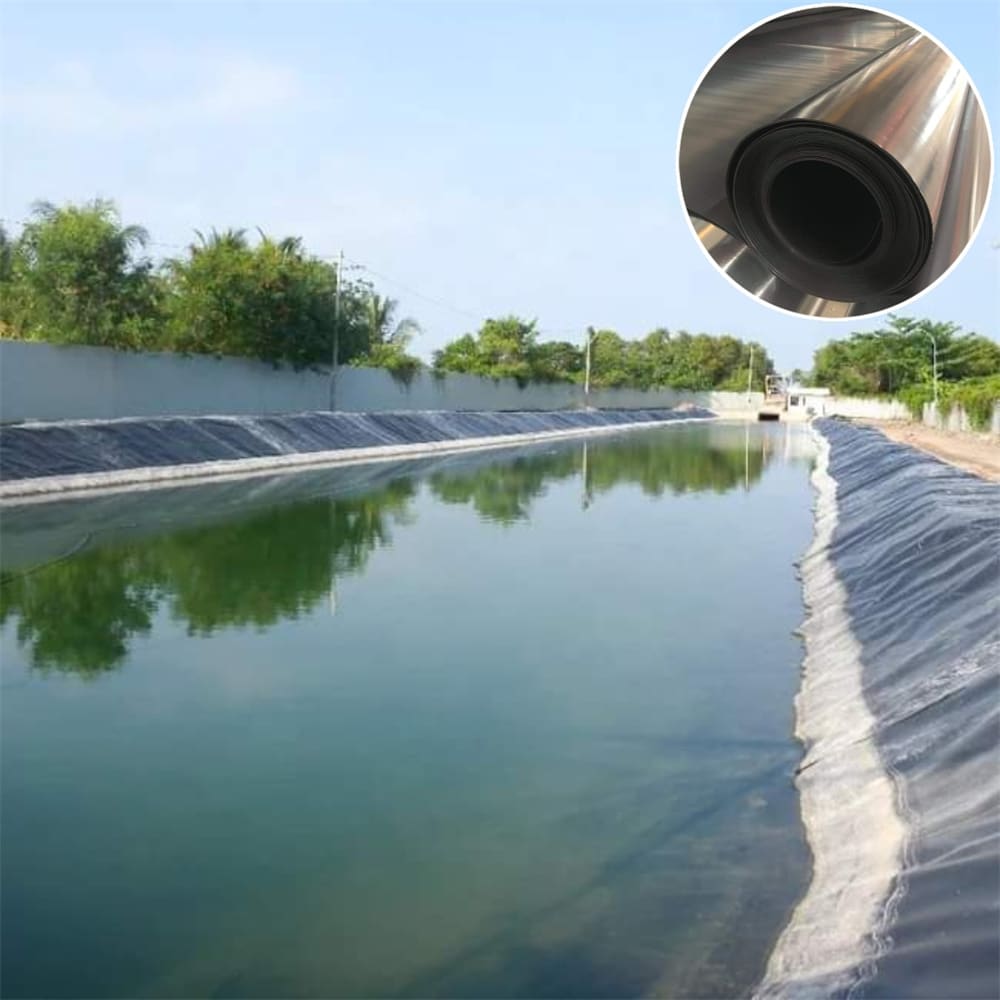
Price Transparency Shapes the Market
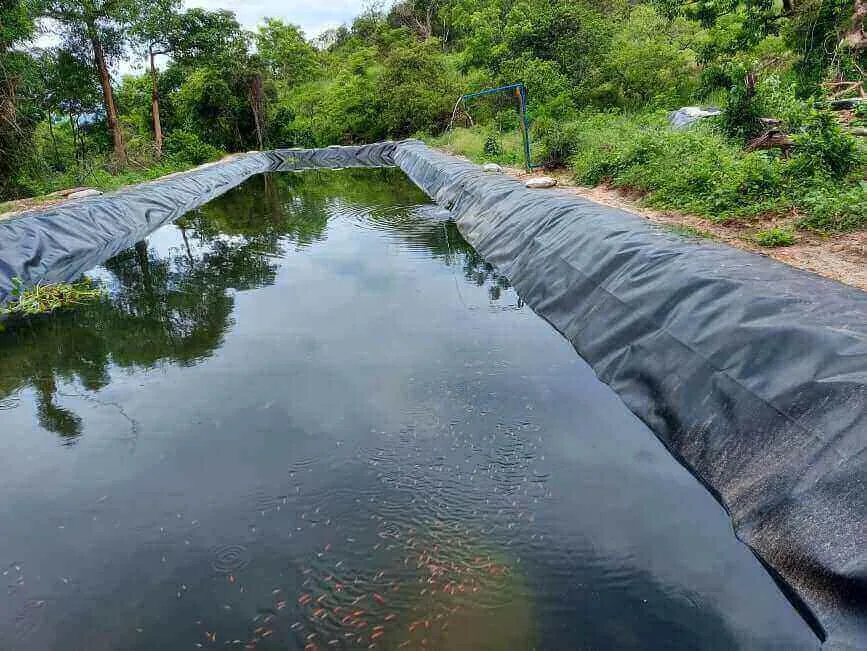
Why HDPE Geomembrane for Aquaculture?
HDPE geomembranes have become the liner of choice for modern aquaculture due to several critical performance advantages:
-
Impermeability: Prevents water seepage, reducing water loss and operational costs
-
Chemical resistance: Withstands fertilizers, feeds, and treatment chemicals
-
UV stabilization: 2–3% carbon black content ensures long-term outdoor durability
-
Food-grade safety: Certified materials safe for fish, shrimp, and prawn cultivation
-
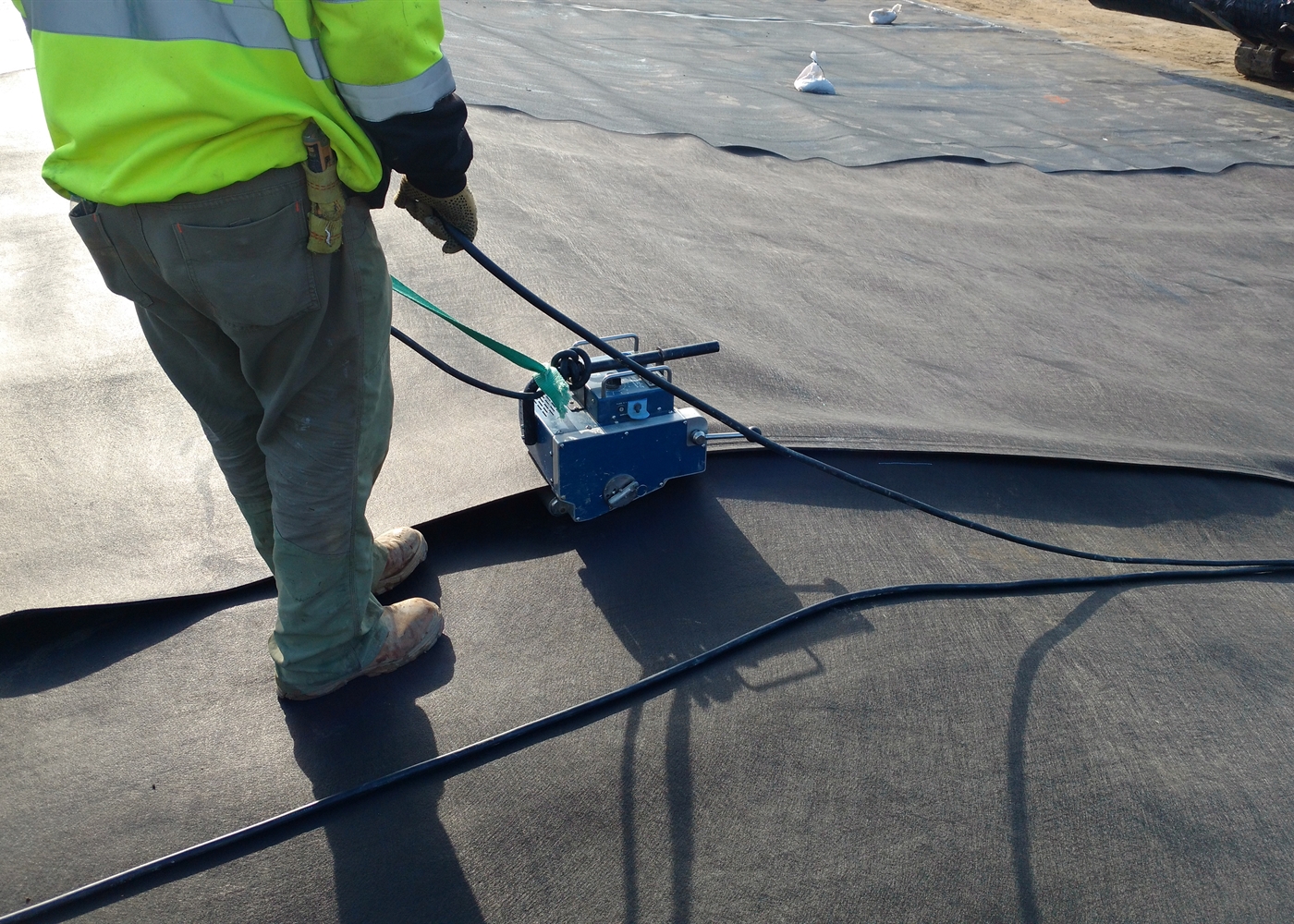
Easy installation: Lightweight rolls allow rapid deployment across large pond surfaces
China’s Manufacturing Edge
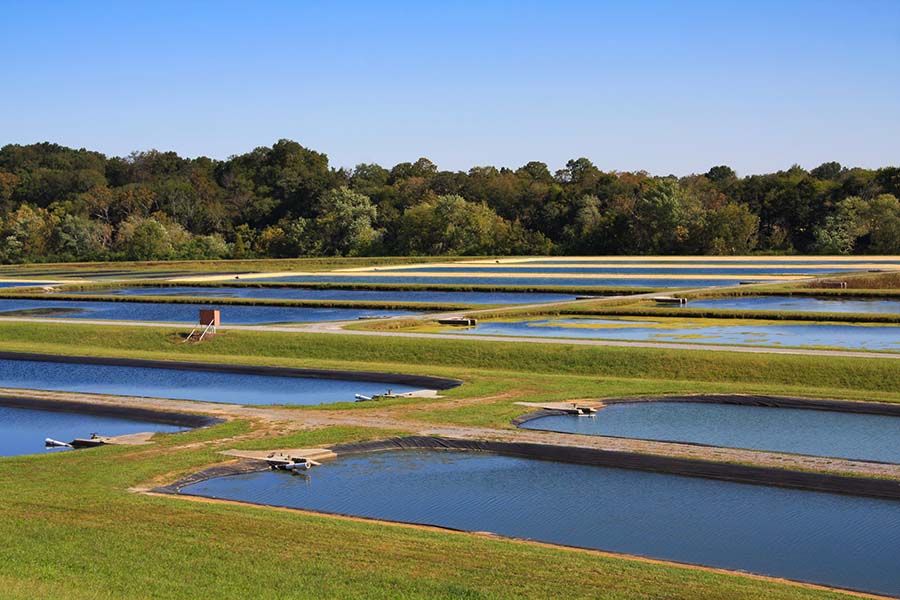
China remains the dominant production hub for HDPE geomembranes, with manufacturers in Shandong, Anhui, and Hebei provinces supplying global markets. Leading suppliers offer comprehensive product lines spanning smooth, textured, and composite geomembranes, with ISO 9001, ISO 14001, and ISO 45001 certifications becoming standard.
The competitive landscape features both established manufacturers and emerging exporters. Key differentiators include virgin HDPE resin usage (versus recycled materials), GRI-GM13 compliance, and value-added services such as technical datasheets, installation guidance, and project-specific engineering support.
Sustainability and Innovation Trends
Beyond aquaculture, the broader geosynthetics market is evolving toward sustainability. The global geosynthetics market is projected to grow from USD 13.46 billion in 2026 to USD 18.15 billion by 2031 at a 6.2% CAGR, with Asia-Pacific maintaining its position as the largest and fastest-growing region.
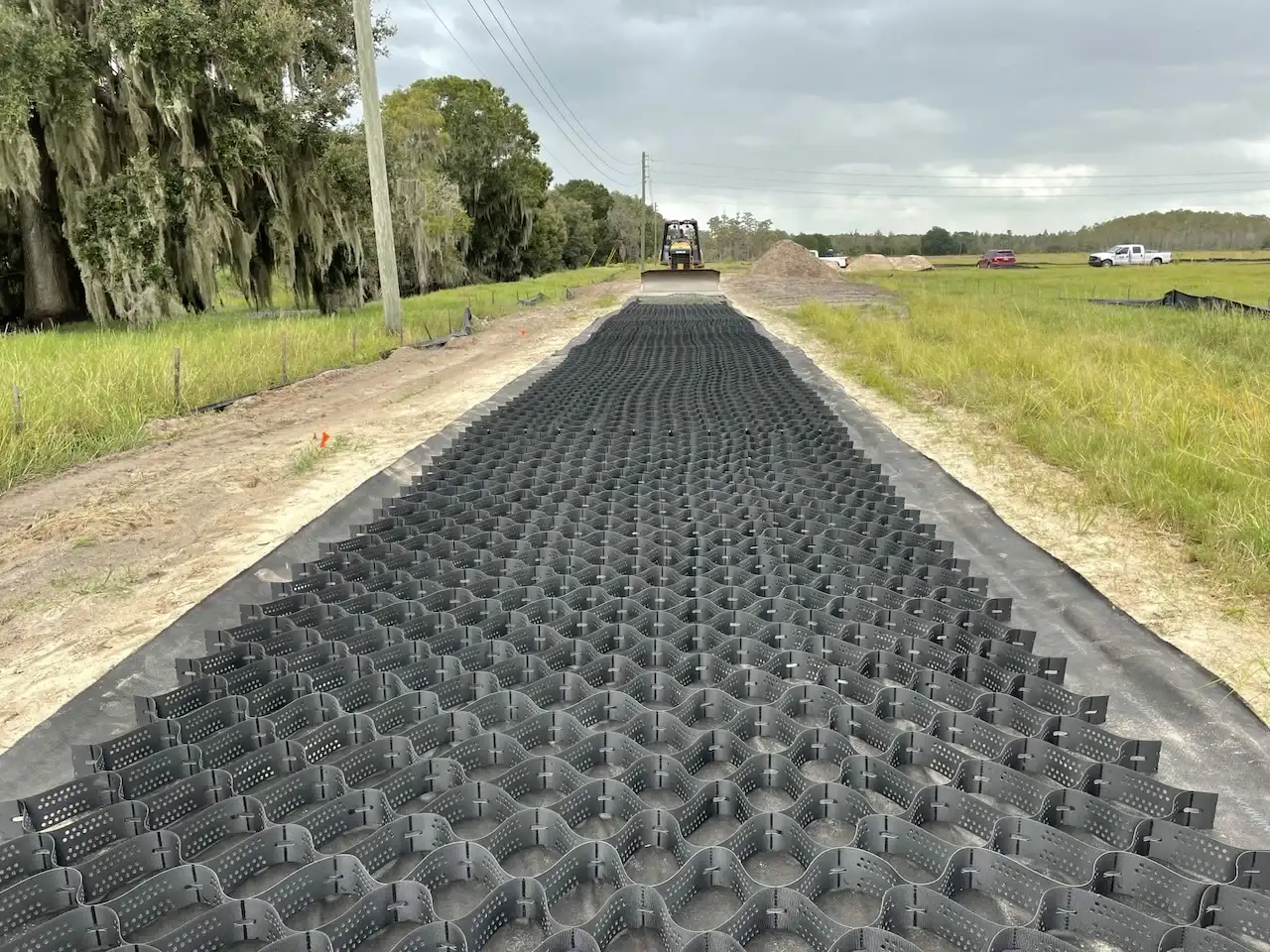
Innovations such as jute-based geocells as plastic alternatives, plastic waste-based geocell trials on Indian expressways, and bio-based geotextiles are gaining traction. However, for aquaculture applications, HDPE remains the material of choice due to its proven performance, cost efficiency, and established supply chains.
Looking Ahead
As global protein demand rises and wild fish stocks face pressure, aquaculture is projected to supply over 60% of global seafood consumption by 2030. This growth trajectory ensures sustained demand for HDPE geomembrane pond liners, with manufacturers investing in expanded capacity, improved UV stabilization technologies, and customized solutions for species-specific farming requirements.
For project developers and farm operators, the message is clear: investing in quality HDPE geomembrane liners today delivers decades of reliable, low-maintenance aquaculture infrastructure.
Post time: Jul-29-2026


